
Learn
Basic Avalanche Safety
Avalanches are possible any time you have snow on a slope. The best thing you can do before you head into the mountains is check the avalanche forecast.
If you are traveling where there isn't a current avalanche forecast, here are some simple things that will help you avoid avalanches.
Simple Things That Keep You Out of Trouble
- Avalanches are possible when you have snow on a slope steeper than about 30 degrees.
- Most avalanches happen during or soon after a big snowstorm, period of strong winds, or during a thaw (rapid increase in temperature).
- Signs of higher avalanche danger include recent avalanches, cracking in the snow, and audible collapsing. Avoid traveling on or under similar slopes.
Where to Start
If you want to dig deeper, you can view a list of educational resources on our Education Resources page.

Recognize Avalanche Terrain
Learn how to identify slopes steep enough to slide and how to use terrain to your advantage to stay safe.

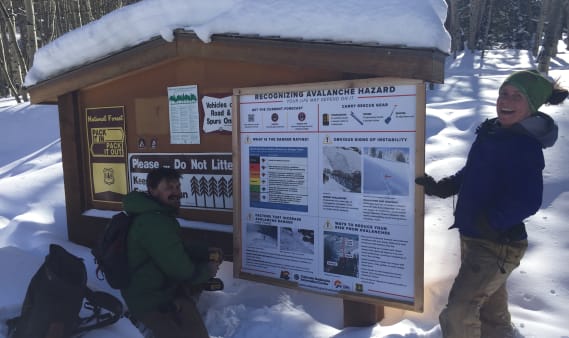
Signs of Unstable Snow
Cracking, collapsing (whoompfing), and recent avalanches are the most important signs of danger.

Carry Rescue Equipment
Always carry a transceiver, probe, and shovel. Ensure everyone in your group knows how to use them.
Avalanche Safety Tutorial
A short, interactive tutorial covering the basics of avalanche safety and preparation.